
Introduction
Understanding redirects and their role in global sites
Redirects tell both visitors and search engines that a URL has moved, a fundamental aspect of URL forwarding basics. They help preserve link equity when pages change, when domains shift, or when content is relocated across languages and regions, especially during site migration when a URL moves across domains. In multilingual contexts, redirects must clearly indicate the destination language and locale to avoid confusion for users and Google Search. Using URL forwarding techniques, you can guide visitors to the correct translated page or regional version, while maintaining linkage from the original URL, ensuring a smooth transition throughout the migration process.
The balance between user experience and search visibility on multilingual platforms
You deserve a smooth experience that prevents dead ends while ensuring search engines index the right content for each language and country. Plan redirects with intent, not velocity, to optimize both crawl efficiency and redirect depth, so they support navigation and keep search engines focused on the most relevant paths. The result is a site that serves accurate language versions to users and preserves indexing across the localization pipeline.
Choose the Right Redirect Type for SEO
Use when the old page has a permanent new destination.
Use for short-term moves, tests, and temporary routing.
Keeps the original request method when following the redirect.
Permanent move without changing the request method.
301/308 are permanent; 302/303/307 are temporary. Source: Google Search Central.
Preserving crawl equity across languages and regions
In multilingual sites, a URL redirection strategy for SEO plays a crucial role in matching the redirect type to the longevity of the translated destination while considering the SEO impact of redirects during site migrations, particularly how URL structure influences search engine performance and user accessibility during migration and rebranding, including link equity transfer. A well-implemented 301 redirect is ideal for transferring value when a translation becomes the canonical version, effectively redirecting traffic and ranking signals to the correct page, thus preserving link equity during rebranding efforts. Furthermore, a coherent URL structure can enhance crawl efficiency and user experience, both vital during migration. In contrast, temporary redirects like 302 and 307, and permanent redirects like 308, serve different purposes, impacting SEO performance and link equity transfer differently when businesses migrate or rebrand their web assets. Combining this strategy with proper hreflang signals and canonical decisions maintains clear intent for Googlebot, ensuring that there is no misinterpretation of language and region signals in the process.
🧭 A redirect should land on the closest matching locale
Move visitors and crawlers from the old URL to the actual equivalent page in the intended language. Avoid sending every outdated language path to one generic homepage.
Preserve Link Equity Across Language Versions
Maintaining canonical intent in a translated site
Define a canonical target for each translated page to minimize duplicate content concerns across languages, particularly when considering canonical vs. non-canonical URL handling during translations. In practice, pair canonical tags with hreflang to indicate language and regional intent, ensuring the canonical URL aligns with the user’s locale while avoiding pitfalls associated with non-canonical URLs. This synergy helps Google Search consolidate signals from multilingual pages rather than splitting them across duplicates, thus enhancing overall search performance.
When a translation is the primary version, use a 301 redirect from older variants to the canonical translated URL only if the old URL has no meaningful historical value. Otherwise, preserve internal links in the original language path where it makes sense, and rely on hreflang and canonical decisions to guide indexing without unnecessary redirection noise.
Implement Redirects Safely During Localization and Migration
Plan migrations with a multilingual SEO view
Start with a clear multilingual migration plan that defines which pages move, where they land, and how each variant serves the correct language and region. This plan should encompass migration planning and rollback strategies for URL redirects, ensuring that you can quickly restore previous states if needed while mitigating risks for SEO during platform changes. Your redirects must not only be future-proof but also optimized for search engines. Align the migration path with your hosting redirect rules, factoring in language codes and locale intent so Google Search can index the target page in the right market. Establish a timeline that prioritizes high traffic and high value pages first to protect rankings during the transition, minimizing the risk of losing organic visibility throughout the process.
Document a centralized redirect inventory management for localization that entails mapping old URLs to their new translated destinations while formulating a clear redirect strategy planning. This process helps prevent orphaned mappings and reduces the risk of broken backlinks. Additionally, include contingency plans for pages without exact translations by pointing to the most appropriate regional variant rather than a generic page, ensuring that all localized content is effectively and efficiently redirected.
Technical Best Practices for Multilingual Sites
Hreflang, canonical tags, and their interplay with redirects
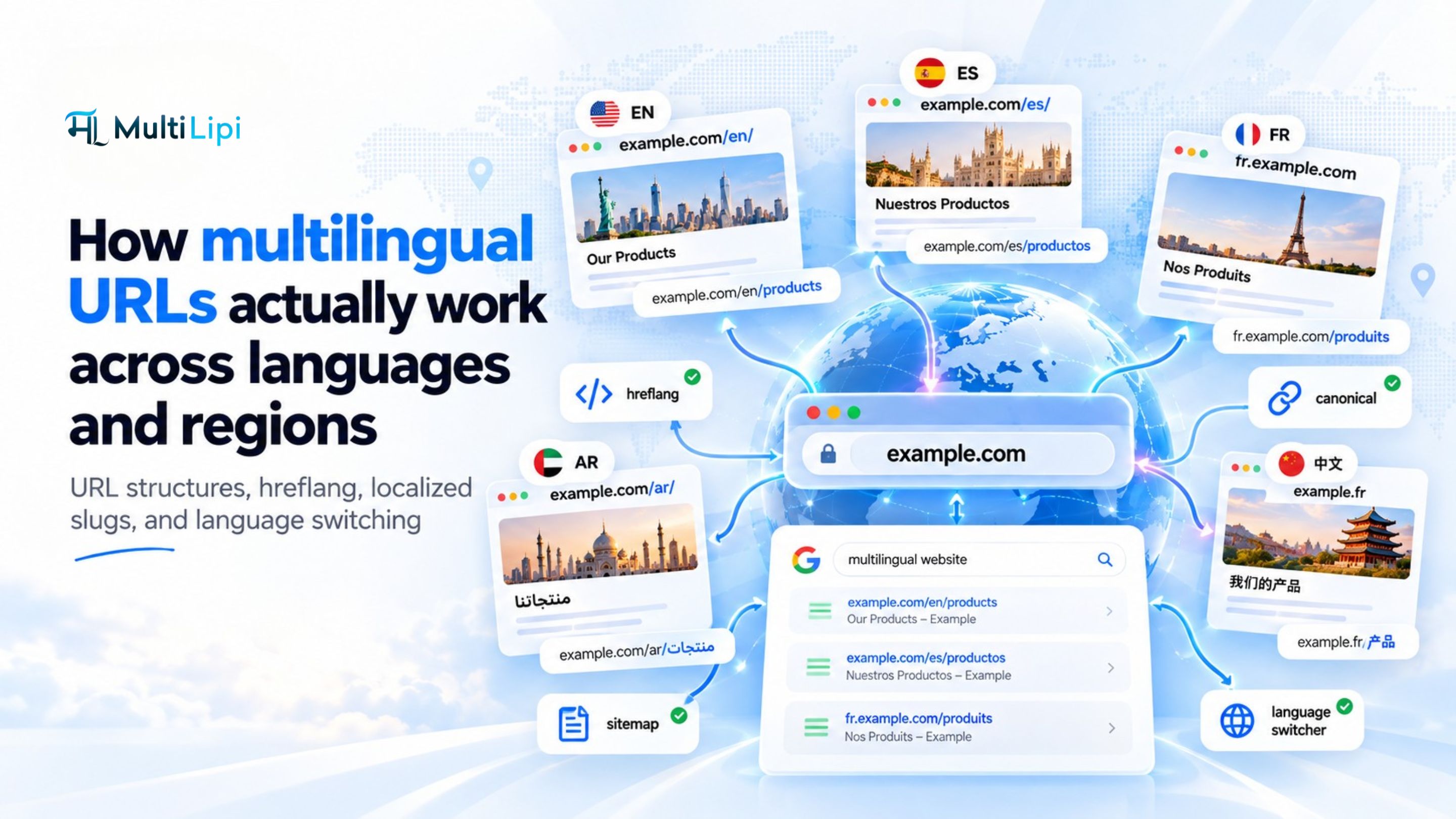
Align hreflang signals with canonical targets to guide Googlebot to the correct language and regional variant, ensuring a robust synergy between hreflang tags and canonical tags, especially when combined with redirects. Use canonical tags to consolidate signals where translations share substantial content, and apply 301 redirects from old language paths to their exact translated destinations when appropriate to maintain this synergy. For optimal performance, ensure you follow technical setup guidance for Nginx or Apache, as well as DNS configurations, when implementing these server-side redirects while keeping in mind the interplay between hreflang and canonical tags. Avoid redirecting to a generic homepage unless no suitable translation exists. Regularly validate that hreflang annotations, canonical URLs, and redirect rules stay in sync across CMS updates and localization tooling.
Sitemaps and crawl budget in a translated site
Submit separate sitemap entries for each language and locale, clearly indicating language codes in the URLs to enhance crawl efficiency through effective sitemap segmentation by language/locale. Keep sitemaps up to date during localization migrations and use them to surface new translated pages quickly to Google Search. Prioritize high-value pages in every locale to maximize crawl efficiency and ensure that your sitemaps are tailored for each audience. Additionally, prune outdated entries to reduce wasted crawl budget.
Maps alternate language and regional pages.
Identifies the preferred indexed URL within the locale.
Lists indexable final URLs, not outdated redirect sources.
Avoiding redirect chains and loops across locales
Minimize sequential redirects by mapping each old URL to a single, precise target in the correct locale, which is essential for effective redirect chains and loop prevention in multilingual migrations. Addressing redirect chains effectively not only mitigates loops but also prevents potential link equity loss, making it crucial to maintain a clear redirect path to preserve your site's authority. Conduct audits for loops where language variants point back to an older version and rectify them promptly. Implement automated checks to surface chains during deployment, with a specific focus on minimizing the potential for redirect cycles and their associated link equity loss. Additionally, ensure that internal links reflect the final destination language path to safeguard against the reintroduction of chains.
⚠️ Redirect chains are a maintenance problem, not a strategy
Replace old → intermediate → final with old → final. Update every internal link so visitors and crawlers reach the final regional destination directly.
Monitoring and Maintaining Redirect Health
Regular audits of redirected paths and internal links
Schedule periodic checks of all redirects to confirm they land on the intended language and regional version. Implement technical audit routines for redirect health in localization pipelines, utilizing automated crawling to identify broken mappings, redirect chains, or loops across locales. Update internal links to point to the final destination, and retire outdated redirects once pages stabilize in their new location.
Measuring impact on rankings, traffic, and user experience
Track how redirects influence key metrics over time, particularly focusing on the SEO impact of redirects on indexing. This includes monitoring the impact on rankings and traffic post-redirects in multilingual sites, as variations in language and region can significantly affect user engagement. Compare pre and post migration data for organic traffic, bounce rates, and time on page for users arriving through redirected paths. Look for changes in indexing signals in Google Search Console and monitor crawl errors tied to redirected URLs, as these can directly affect how well your content is indexed.
- Rankings: observe shifting positions for target pages after redirects are in place, and identify pages that may need canonical or hreflang adjustments.
- Traffic: watch for familiar traffic patterns returning after initial dips, and verify that regional pages maintain or improve visit volume.
- User experience: assess load times and path clarity for visitors arriving via redirects, ensuring the final URL conveys the correct locale and content relevance.
Use a centralized log of redirect rules and a change management process to track when redirects are added, updated, or removed. Regularly validate that sitemap entries and hreflang signals remain in sync with the live mappings to protect the indexing pipeline.
SEO and Global Considerations
GEO targeting versus global reach
Gaining trust with HTTPS everywhere signals strong security and data integrity, which search engines reward alongside clear redirects that respect user intent across languages and regions.
A 302 Redirect is a temporary move that tells search engines the original URL will return, rather than signaling that the destination should replace the original URL in search results in the same way as a 301. Use it for short-term tests or seasonal content while preserving the original URL for indexing.
Screaming Frog can scan redirects, identify chains and loops, and surface SEO issues across languages and regions in a single crawl.
URL forwarding SEO is about aligning redirects with user intent and search signals, ensuring language and regional destinations stay accurate while transfering link equity efficiently.
Google Analytics can help you measure how redirects affect user behavior, so you can optimize paths for engagement while preserving SEO signals. Use it to monitor page-visit funnels after language or domain moves and validate that users land on the correct localized content.
Domain-Forward.com offers insights into URL forwarding best practices, helping you map old URLs to precise translated destinations while preserving SEO signals across multilingual sites.
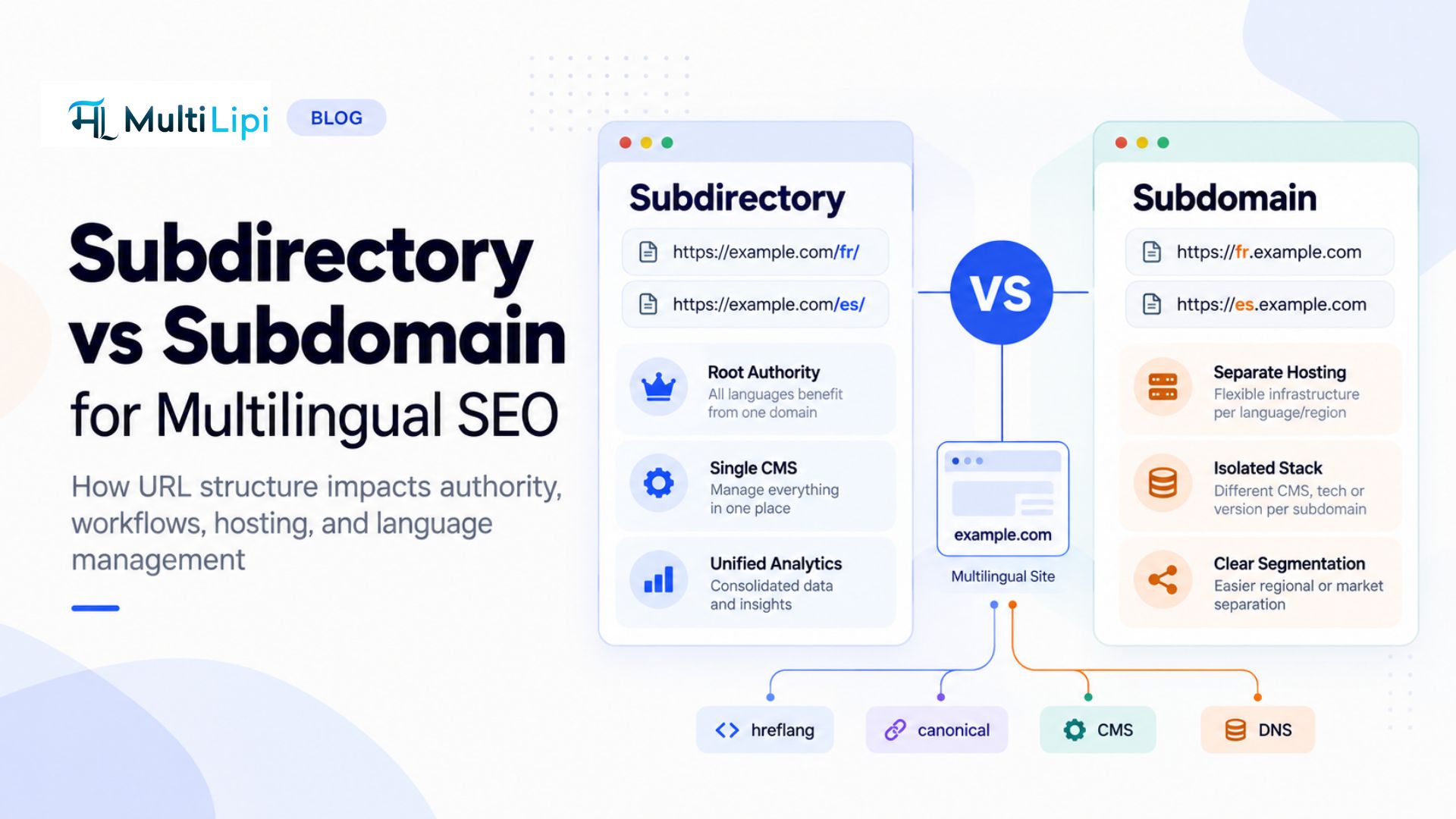
Pros and cons of domain-level versus subpath multilingual setups
- Domain-level setups provide clear regional separation that can aid local authority signaling and geo-targeting in Google Search. This can improve crawl efficiency for each country and simplify analytics segmentation.
- Subpath multilingual setups consolidate authority on a single domain, simplifying link equity flow and maintenance. They can streamline site architecture and reduce management overhead.
- Domain-level may require more complex redirect mappings and separate hosting considerations, increasing setup cost and ongoing maintenance. Subpaths rely on consistent internal linking and language routing rules to preserve crawl depth.
Tailoring redirects to regional search behavior and languages
Redirect strategies should reflect local user intents and language nuances. Map old language paths to exact translated destinations when available, and avoid redirecting to generic pages unless no translation exists. Align redirects with canonical and hreflang signals to minimize indexing confusion across locales.
"International SEO succeeds when you align localized content with clear hreflang signals, choosing the right URL structure, and building local authority to meet unique market intents." , Industry Analyst
FAQ
What is the difference between HTTP 301 and HTTP 302 in practice?
Redirect type selection, particularly in terms of URL redirect semantics and types (301, 302, 303, 307, 308, Meta Refresh), plays a crucial role in how URLs are managed during web migrations and can significantly impact crawl and indexing behaviors across multilingual sites. For instance, a 301 redirect permanently moves a URL to a new location and signals to search engines that this change should be preserved in the indexing pipeline, ensuring the new URL gains authority. In a multilingual context, this is vital for directing users to the appropriate language version. Conversely, a 302 redirect indicates a temporary shift, which keeps the original URL as the canonical reference; this can complicate indexing in multilingual settings when search engines may treat the original language page as the primary version. Additionally, 307 is a temporary redirect and 308 is a permanent redirect; both preserve the original HTTP request method, which makes them useful in different migration and routing scenarios, which can be useful for specific language versions without altering indexing statuses. The 303 redirect type can also be useful in multilingual sites when redirecting users after form submissions while ensuring they reach the language-appropriate content. Meta Refresh is another type often used for timed redirects but is generally less favored in SEO practices due to its slower response for search engines. For long-term migrations where you want search engines to recognize the new URL permanently across different languages, use a 301; opt for a 302 or 307 for short-term redirects, especially when maintaining the original page as the main reference in its respective language is necessary without altering its indexing status; consider 308 for cases requiring method permanence; and reserve Meta Refresh for specific, controlled user experiences.
Should I use server side redirects for better SEO?
Yes, server side redirects provide reliable signals to search engines and browsers. They reduce the chance of intermediate errors and help preserve crawl equity when implemented correctly.
How do I avoid redirect chains in a multilingual site?
Map each old URL to a single final destination in the correct locale and retire intermediate steps. Regularly audit rules and update internal links so they point to the final URL.
What role do hreflang and canonical tags play with redirects?
Hreflang communicates language and regional variants, while canonical tags indicate preferred pages within language groups. Align redirects with these signals to minimize indexing confusion and reinforce the intended canonical version.
How long should I keep migration redirects active?
Maintain redirects long enough to consolidate rankings and traffic across locales. A practical window is at least one year, with periodic reviews to retire outdated mappings as pages stabilize in their new locations.
What should I monitor after implementing redirects?
Track crawl errors, internal link health, and the impact on rankings and traffic. Look for shifts in indexing signals, and ensure final destinations reflect the correct locale and content.
Conclusion
When you manage redirects across a multilingual site, you protect user experience and preserve search visibility. Choose the right redirect type for the scenario, and map old language paths to precise translated destinations to maintain intent and clarity.
Coordinate redirects with your translation memory and CMS integrations to keep canonical signals aligned with hreflang, sitemaps, and regional targeting. Avoid redirect chains, monitor crawl health, and review mappings regularly to ensure the indexing pipeline remains smooth across locales.
For global reach, balance domain level choices with subpath structures based on your content strategy and maintenance capabilities. Document every rule change, test migrations in a staging environment, and track how users and Googlebot traverse the site after changes. At MultiLipi, we focus on scalable, AI-assisted localization that keeps redirects accurate, fast, and SEO-friendly.
"Internationaal SEO vereist duidelijke, zelf-canonical URLs per taalvariant, hreflang-tegenhanger en consequente contentlokalisatie; gebruik altijd absolute URLs en vermijd het canoniseren van alle pagina's naar één URL." , Industrie-analist
Tools and guides for reliable multilingual redirects
Use these MultiLipi resources to check language routing, hreflang, canonicals, crawlability and ongoing global SEO health.